
 FR
FR Preventive medicine · All year round
Check-up, screening tests and a 12-month plan.
In Quebec, heartworm, ticks, fleas and intestinal worms no longer take a break. Here is what to watch for, why protection is a year-round job, and how we handle it with you.
Where to start?
A question, a doubt? Call us during opening hours.
What threatens your companion
The four most common parasites in Quebec: what they do, how they spread, and how we keep them at bay.
Heartworm
Dirofilaria immitis

Key facts
- Transmitted by mosquitoes
- Can grow several centimetres long
- Settles in the heart and arteries
- Increasing in Quebec
- Complex, costly treatment
Screening before prevention
Before starting a preventive, we recommend a blood test (Snap 4Dx in dogs) to confirm the animal is not already infested: existing worms could cause complications with an unsuitable preventive.
Dangers and consequences
After a bite from an infected mosquito, larvae travel through the bloodstream and settle in the pulmonary arteries and heart. The consequences are serious: heart failure and, in some cases, death.
Why prevention is crucial
- Severity: it can lead to serious complications, and even death.
- Complex treatment: it carries risks and is not available everywhere.
- No early warning signs: a dog can look healthy for months before the first symptoms.
Note: Cats can also contract heartworm. A suitable prevention exists for them too.
Ticks
Ixodes scapularis, black-legged tick
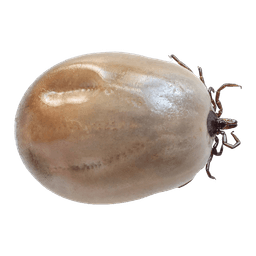
Characteristics
- Active from 0 °C
- Can survive under snow
- Found in tall grass
- Transmit several diseases
- Expanding across Quebec
Lyme disease in Quebec
It is the most common tick-borne illness in Quebec. Infection often occurs after more than 24 hours of attachment. Regular inspection remains the best local prevention, alongside recommended medication.
How ticks attach
Ticks wait on tall grass or in bushes for a host to pass nearby. Their bite is painless, which makes it hard to spot.
Diseases transmitted
Possible signs of Lyme disease: stiffness, lameness, fever, loss of appetite, low energy, swollen lymph nodes.
Other infections
Anaplasmosis and ehrlichiosis, two other bacterial infections spread by ticks, are also detected by the Snap 4Dx test in dogs.
Tick resources
At homeRemove a tick: step-by-step guideFleas
Ctenocephalides felis
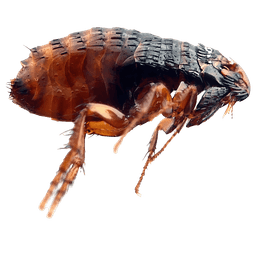
Key points
- Small brown insects
- Feed on blood
- Lay hundreds of eggs
- Infest the home and the pet
- Active year-round

Fleas in Montreal: active year-round
The heating season runs from fall through spring. Indoors, temperatures of 18 to 22 °C let fleas reproduce without interruption. Busy parks such as Parc Maisonneuve and Mont Royal are also known exposure zones.
Why are they so persistent
- Larvae develop quietly in the home and become adults ready to re-infest your pet.
- Eggs can survive for months in your environment.
- An infestation can build very quickly.
Problems caused by fleas
Intense itching, allergic dermatitis, hair loss and, in severe cases, anemia. Fleas can also transmit tapeworms when swallowed during grooming.
Intestinal worms
More common than you think
Roundworms (ascarids)
The most common; can infect humans.
Tapeworms
Transmitted by infected fleas or rodents.
Whipworms
Live in the large intestine.
Hookworms
Feed on blood; can cause anemia.
Zoonotic risks
Intestinal worms can cause diarrhea, weight loss and bloating. Some, like roundworms, can also infect humans, especially young children.
How infections occur
- Ingesting eggs or larvae: contact with contaminated feces or soil.
- Mother-to-offspring: in utero or through the mother’s milk.
- Eating infected fleas or rodents: a common source of tapeworms and other parasites.
Tests and dewormers
- Annual fecal analysis: to detect intestinal parasites.
- Regular visits: to match the dewormer to age, lifestyle and the animal’s condition.
Note: Kittens and puppies often need more frequent dewormers in their first months.
At homeCollect a stool sampleWhy year-round protection?
Climate change has erased the true 'dead season' in Quebec. Even in winter, a mild spell can be enough to reactivate certain parasites.
Climate change
Milder winters let parasites stay active longer. Ticks can be active once temperatures rise above 0 °C.
Indoor parasites
Fleas reproduce in your home year-round. For every flea visible on your pet, about a hundred more are in your carpets, sofas and bedding.
Continuous protection
Even a single month's gap can let larvae develop beyond the reach of preventive medication. Consistent treatment is essential.
Rising case counts
Heartworm cases are on the rise in the Montreal region. Prevention is simpler and less costly than treatment.
Zoonotic risks
Some parasites, such as intestinal worms, can infect humans, especially young children. Protecting your pet protects your family.
Long-term savings
The cost of annual prevention is far lower than treating a parasitic disease once it has taken hold.
Recommended by the orders and associations
The CVMA (Canadian Veterinary Medical Association), AMVQ (Association des médecins vétérinaires du Québec) and AAHA (American Animal Hospital Association, USA) all recommend year-round antiparasitic prevention.
- CVMA
- AMVQ
- AAHA (USA)
Prevention tailored to your pet
Our team builds a 12-month plan targeting the most common parasites in Quebec, based on your pet's age, lifestyle and environment.
- 1
Complete veterinary exam
Before any preventive protocol, an exam confirms your pet's general health, checks for parasites already present, and adapts protection to their lifestyle.
- 2
Screening tests
Blood test for heartworm (Snap 4Dx in dogs) and fecal analysis for intestinal parasites. These tests make a safe, tailored plan possible.
- 3
Monthly preventive medication
Most often once a month: chewable tablets or topical liquids. These treatments eliminate larvae before they become dangerous.
At homeHow to give the monthly chewable - 4
Regular follow-up
An annual check-up to reassess needs and adjust the plan based on age, environment and health status.
What you do between visits
- Pick up your dog's stools quickly to avoid contaminating your yard or the neighbourhood.
- Vacuum and regularly clean the spots where your pet rests: beds, rugs, sofa.
- Inspect your pet after every outing, especially after wooded areas, parks or tall grass.
- Wash your hands after handling your pet or their feces, especially around young children.
Don’t forget your indoor cats
A parasite can enter your home on another animal or a single trip outside. Even a cat that never goes out can be exposed.
Reliable educational resources
Reference sources to dig deeper, plus our illustrated guides for the hands-on steps at home.
Practical guides for pet owners
Collect a stool sample
Step-by-step guide to properly collecting a fecal sample at home.
Read the guideTicks and Lyme disease
INSPQ: ticks and Lyme
Prevention, identification and tick-related risks in Quebec.
Consult (opens in a new tab)INSPQ interactive maps
Current and projected tick distribution in Quebec.
View maps (opens in a new tab)Heartworm, fleas and intestinal worms
American Heartworm Society
Heartworm prevention, screening and treatment for dogs and cats.
Consult (opens in a new tab)Pets and Parasites: intestinal worms
Roundworms, hookworms, tapeworms and whipworms: preventing them in your pet.
Learn (opens in a new tab)Let’s protect your companion, all year round.
Year-round prevention remains the simplest and safest way to protect your dog or cat against heartworm, ticks, fleas and intestinal worms.