
 FR
FRToxic foods and dangerous plants for dogs and cats: recognize, prevent, and act fast
Our companions are curious and food-driven. Something on the counter, a plant on the windowsill, a bottle left in the garage: the home hides poisons they do not know. Here is which ones, how to protect your pet, and above all what to do in the minutes after an ingestion, when every move counts.
This guide is a home-care support tool. It does not replace personalized advice from your veterinarian. If you suspect a poisoning, call us without waiting at 514-223-1197.
What to do right away
Do you think your pet swallowed something dangerous? Stay calm and act fast. The most important thing fits in one sentence: call before doing anything, and do not make it vomit on your own. Reacting now is already the right move.
Do this, in order
- Move your pet away from the product (or the product away from your pet).
- Note what it swallowed, roughly how much, when, and its weight.
- Call right away: us, an emergency clinic, or an animal poison line (see below).
- Keep the packaging or a photo of the label; for a plant, a photo or a piece helps identify it.
- If it vomited and it is easy, save a sample in a sealed bag for the veterinarian.
- Do not wait for symptoms: for many poisons, treatment only works if it starts early.
Never do this on your own
- Make it vomit without instruction: NEVER in a cat, never for a corrosive or petroleum product, never if the animal is trembling, seizing, or dull.
- Use salt, syrup of ipecac, a finger down the throat, oil, or mustard: it is dangerous and ineffective. Salt is itself a poison (seizures).
- Give milk: it neutralizes no poison and often causes diarrhea.
- Give activated charcoal at home: it is a clinic treatment, risky if given wrong.
On the skin or in the eyes
Oily product or dog flea treatment on the coat (calm, symptom-free animal only, after calling): a bath in lukewarm water with a grease-cutting dish soap, since water alone will not lift the oily film. If your pet is already showing signs, head to the clinic BEFORE the bath.
Splash in the eye: gently flush with lukewarm water or saline for at least 15 minutes, 20 if you can, then have the eye checked even if it looks normal, because a chemical burn can worsen.
Who to call
For your pet, call us first, or a 24/7 emergency centre. Two animal poison lines also exist (paid, in English): they open a case file your veterinarian can then take over.
So what about making it vomit?
In dogs only, and in certain situations, a veterinarian or a poison line may guide you to induce vomiting with 3% hydrogen peroxide, strictly on their instruction and with the amount they specify. In cats, there is no safe way to induce vomiting at home: peroxide can be fatal to them.
'He seems fine' is not good news
It is the most dangerous instinct: your pet swallowed something, but it looks perfectly fine, so you wait. Yet several major poisons strike silently, hours or days later, once the damage is already done.
- Grapes and raisins: the kidneys can fail 1 to 3 days after ingestion.
- Antifreeze: a "drunk" look, then a false recovery, then kidney failure.
- Anticoagulant rodenticides: internal bleeding often appears 3 to 7 days later.
- Acetaminophen in cats: the gums turn brown within hours; this is an emergency.
- Sago palm: the liver can fail 2 to 3 days later, even after the first vomiting has passed.
- Xylitol: low blood sugar can lag up to 12 to 18 hours, with liver injury after.
- Onion and garlic: anemia sometimes shows only several days later.
The rule to remember
After a known ingestion, call even if your pet seems fine. It is always better to call for nothing than to lose the first hours, often the only ones when we can act.
Toxic foods
Many everyday foods, harmless to us, are toxic to our pets. Here are the most common. If you are unsure about an amount, do not work it out alone: call.

Chocolate
The theobromine in chocolate is toxic to the heart and nervous system. The darker and more bitter the chocolate (baking chocolate, cocoa), the more concentrated and dangerous. We have a free tool that estimates the risk from your dog's weight, the type of chocolate, and the amount.
Open the chocolate calculator
Xylitol (birch sugar)
A dog-specific emergency (cats are not considered at risk). This sweetener causes a sharp drop in blood sugar and can injure the liver. It hides in sugar-free gum and candy, some peanut butters, melatonin gummies, chewable vitamins, and even nasal sprays. Look for 'birch sugar' or 'xylitol' on the label.

Grapes and raisins
Can cause kidney failure in dogs. There is no safe dose: sensitivity varies from one dog to another. Tartaric acid is the likely cause, which puts cream of tartar and tamarind paste in the same category (watch homemade playdough). Juice, raisin bread, and fruitcake count too.
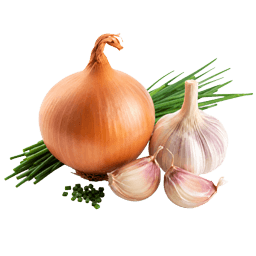
Onion, garlic, chives, leek
This family (the Alliums) contains sulfur compounds that oxidize and destroy red blood cells: anemia, weakness, dark urine. Cats are even more sensitive than dogs. Cooked, dried, or powdered forms are more concentrated (onion soup mix, garlic powder, baby food), and signs often lag several days.

Macadamia nuts
In dogs: hind-leg weakness, tremors, sometimes fever. It is usually temporary, but unpleasant and worrying: call us to know what to watch for.

Alcohol and raw bread dough
Alcohol, even in small amounts (cocktail leftovers, hand sanitizer), depresses the nervous system. Raw bread dough is a double danger: it rises in the warm stomach, producing alcohol and gas, with a risk of bloating and twisting.

Caffeine
A sip of coffee or tea rarely poisons; the danger is the concentrated form: coffee grounds and beans, pods, tea bags, energy drinks, and especially caffeine or pre-workout pills.
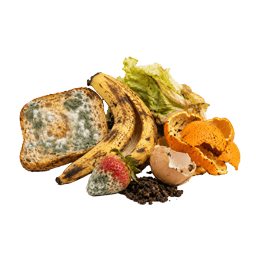
Moldy food and compost
Molds (on leftovers, nuts, in compost or the trash) make toxins that quickly trigger tremors, agitation, and seizures. Keep the trash and compost out of reach.
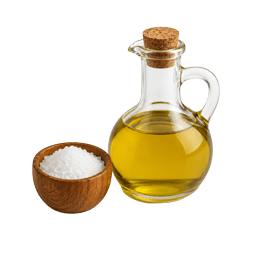
Excess salt and fat
Too much salt (homemade salt dough, sea water, licked ice-melt) can cause salt poisoning. A very fatty meal (skin, gravy, bacon) is a classic trigger of pancreatitis.

Avocado: the real story
Good news: avocado is not a significant poison for dogs and cats. Its toxin, persin, mainly harms birds and rabbits. The real risk for our pets is the fat (GI upset, pancreatitis) and the pit, which can block the intestine.

Dairy
Milk and cheese are not toxic, but most adult dogs and cats digest lactose poorly: in quantity they cause gas and diarrhea. Best kept, at most, to very small occasional portions.
Dangerous plants
Some house and garden plants are irritating, others outright deadly. Here is how to tell them apart, starting with the most serious.
The most dangerous

Yew (Taxus)
The most dangerous hedge in Quebec, found in countless yards. Every part (except the fleshy red berry) contains cardiac toxins: death can be the first sign, with no antidote. Trimmed and dried branches stay toxic for months: pick up the clippings.
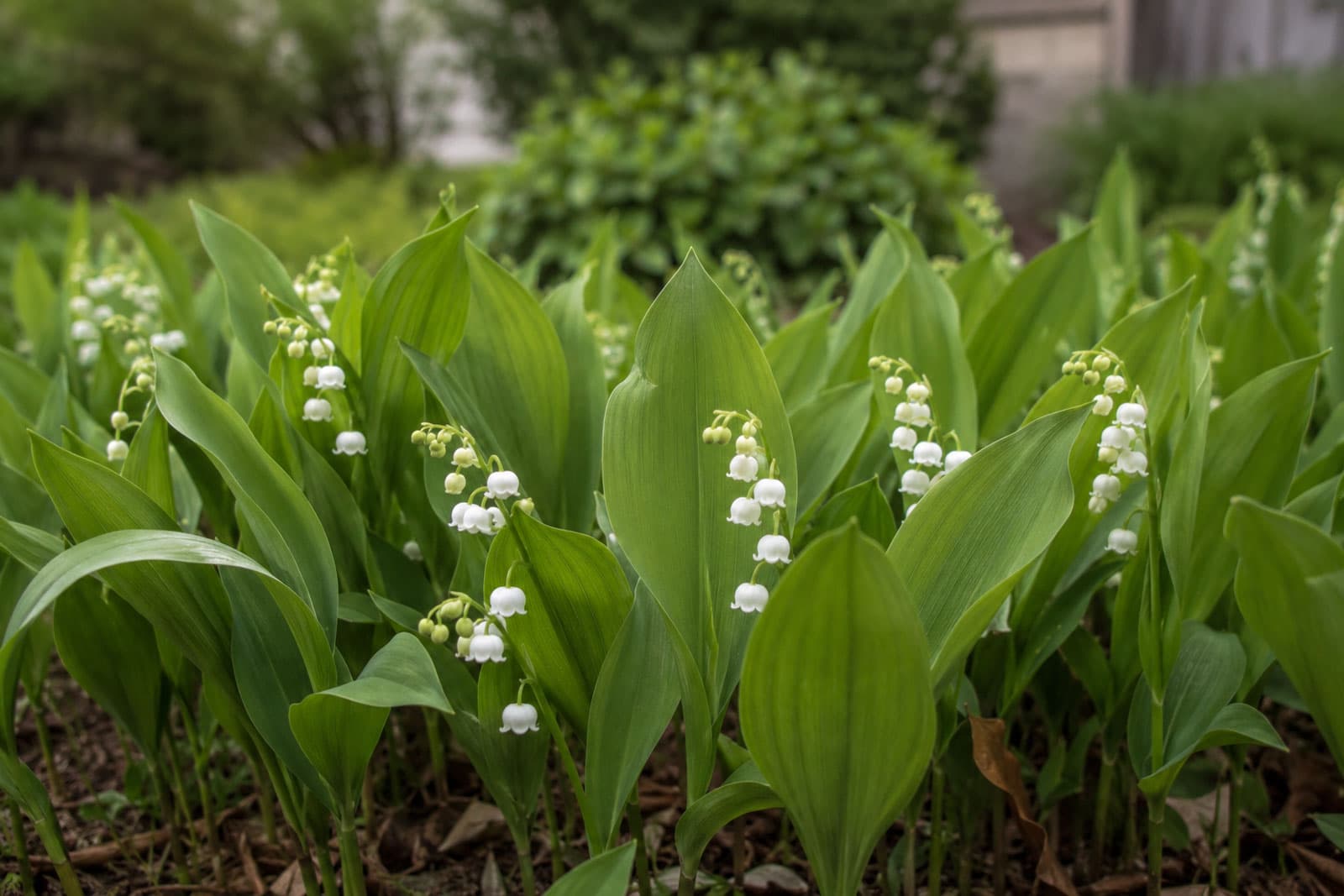
Lily of the valley (Convallaria)
A common, spreading groundcover. All parts contain cardiac glycosides that disturb the heart's rhythm, in dogs and cats alike.
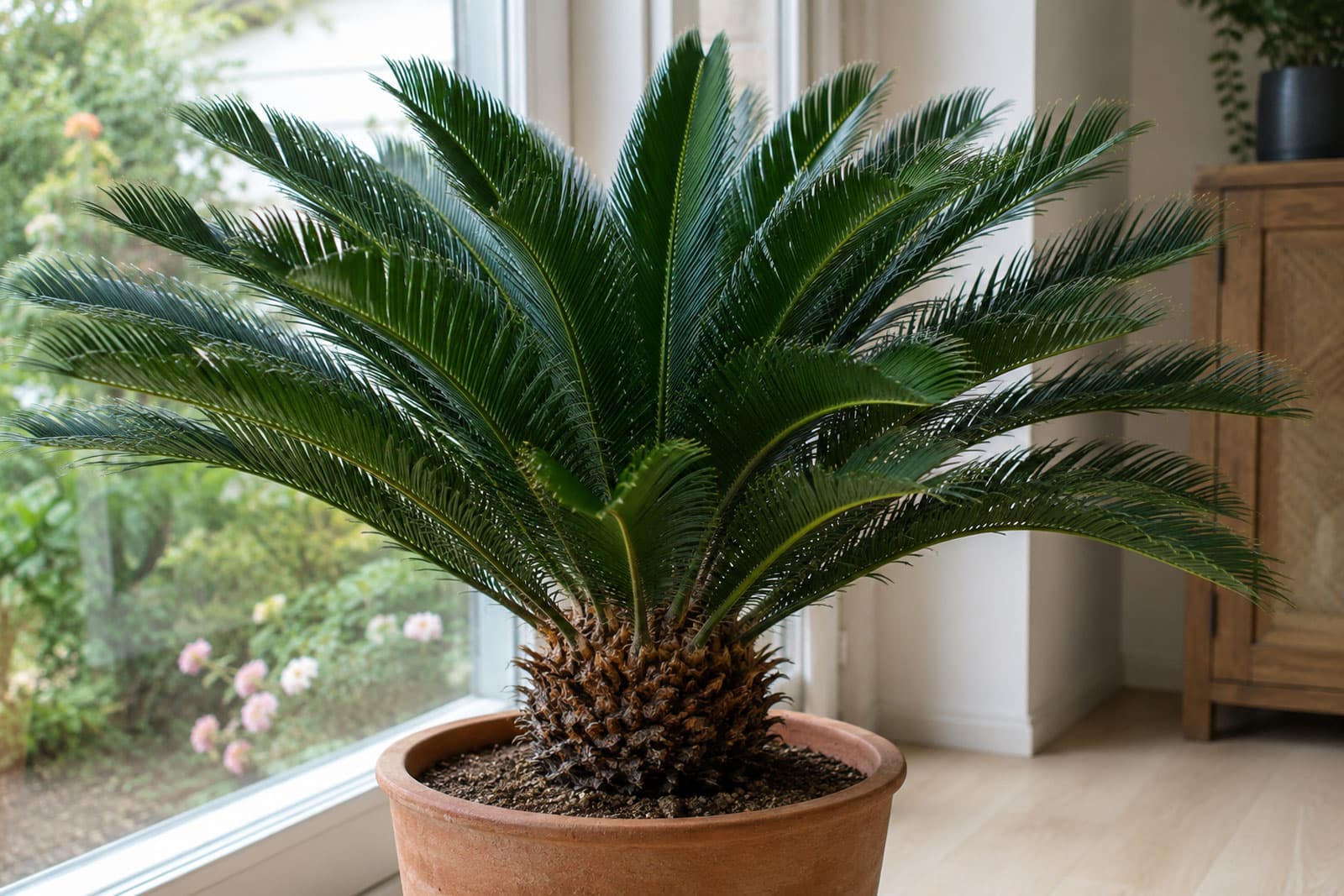
Sago palm (Cycas)
Sold as a houseplant or bonsai here. The seed is the most toxic; ingestion causes severe liver injury. It is one of the most dangerous plants: up to half of cases can be fatal.
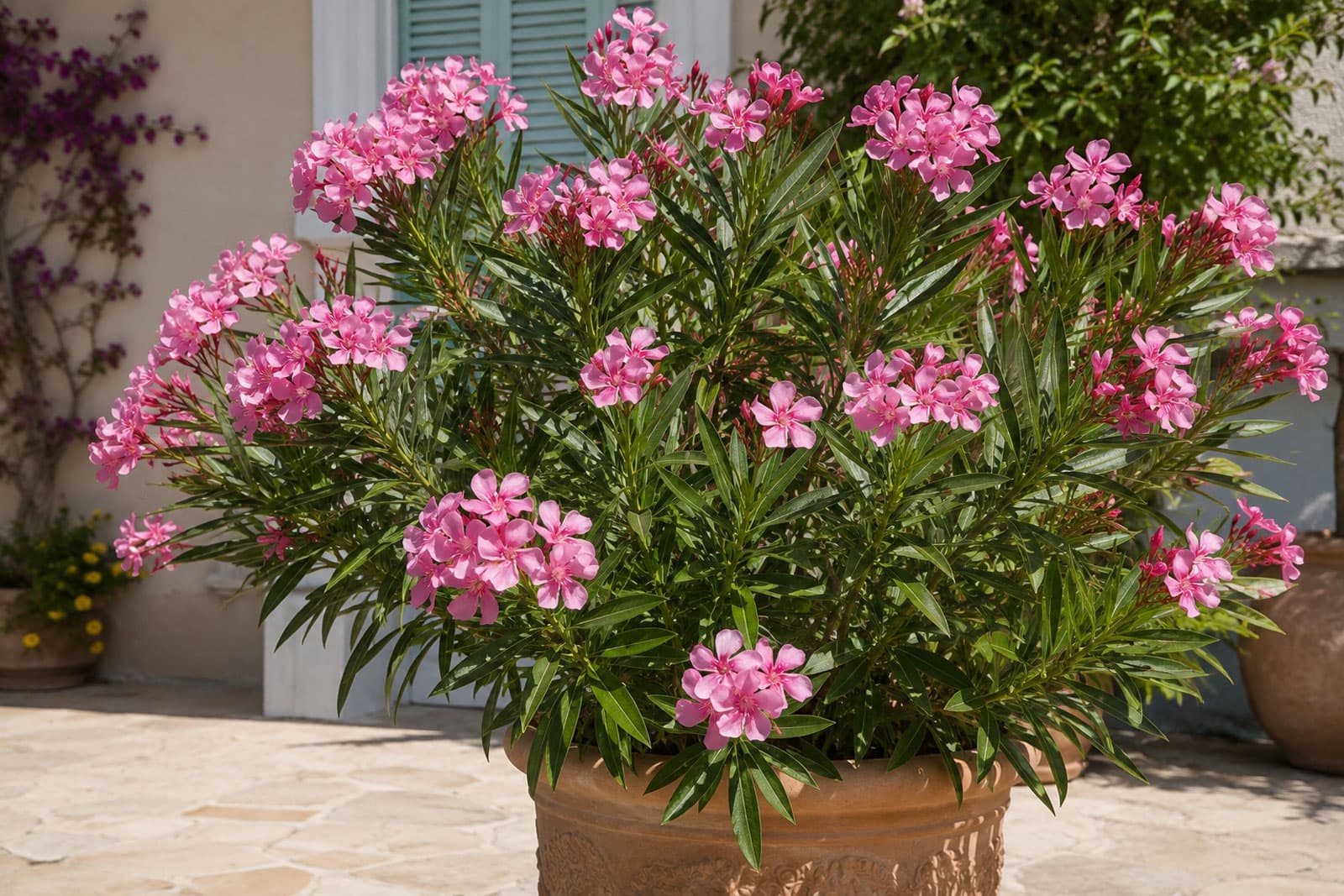
Oleander (Nerium)
A patio plant brought indoors for winter in Quebec. Cardiotoxic in all its parts.

Azalea and rhododendron
Their grayanotoxins disrupt the heart and nerves: a few leaves are enough to cause vomiting, weakness, and heart trouble.

Foxglove (Digitalis)
A tall border plant, recognizable by its spike of tubular bells speckled inside. It contains cardiac glycosides: severely toxic to dogs and cats.
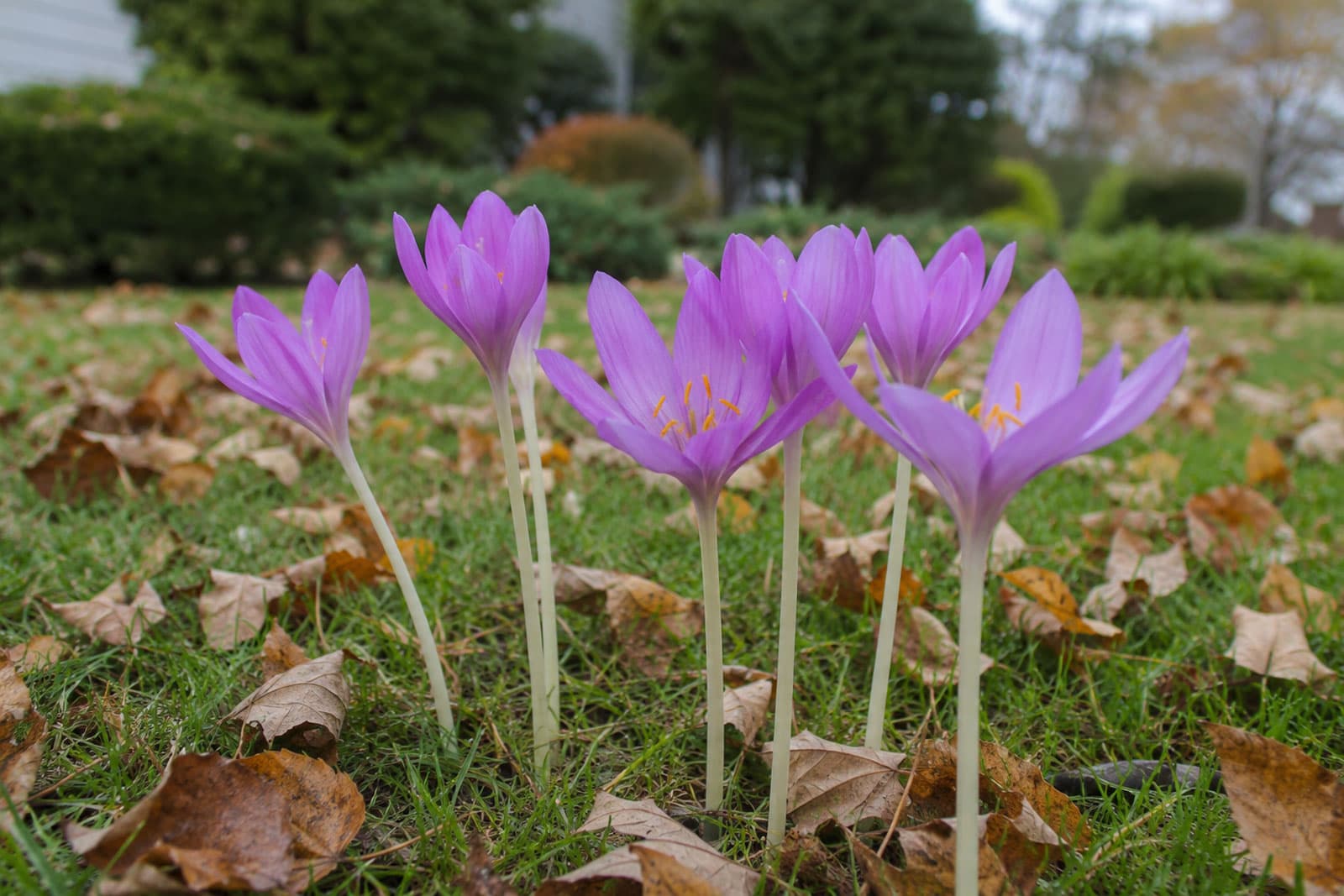
Autumn crocus (Colchicum)
It blooms in fall straight out of the lawn, on bare stems with no leaves at all: that is how you tell it from a spring crocus. Its colchicine damages several organs: severely toxic to dogs and cats.
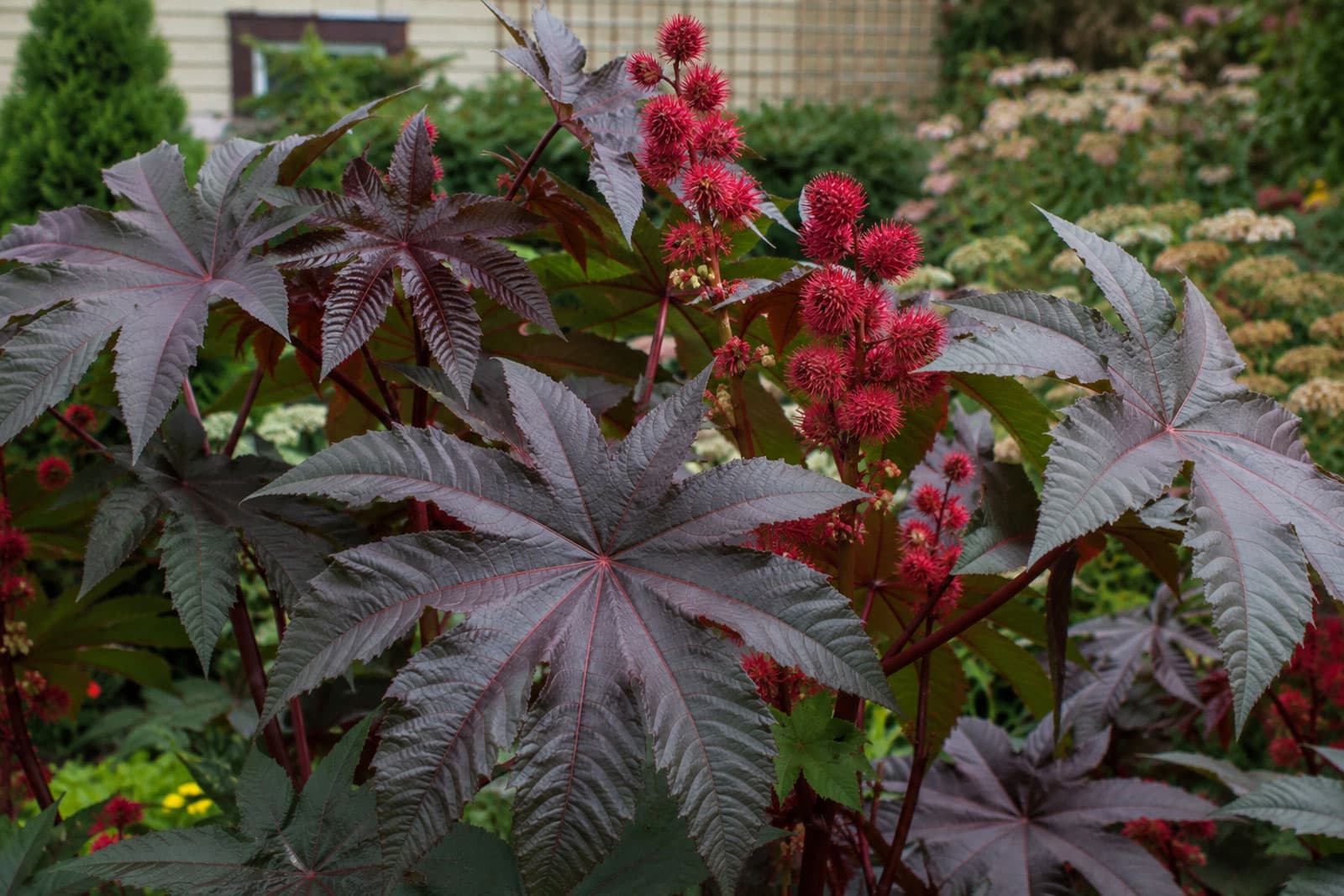
Castor bean (Ricinus)
A large ornamental plant with huge red-bronze palmate leaves and spiky red capsules. Its seeds are severely toxic to dogs and cats.
Lilies and cats: a kidney emergency
True lilies (Lilium: Easter, tiger, Asiatic, Oriental) AND daylilies (Hemerocallis, very common in our gardens) cause FATAL kidney failure in cats. Every part is dangerous, including the pollen a cat licks off its fur and the vase water. Treatment is a race against hours: at any contact, go to the clinic.
Watch the name trap. Several plants carry the word 'lily' without being one. The 'peace lily' (spathiphyllum), calla, and Peruvian lily (alstroemeria) are NOT true lilies: they irritate the mouth but do not attack the kidneys. Lily of the valley, meanwhile, is a heart poison, not a kidney one. When in doubt, take a photo and call.
Tell them apart at a glance

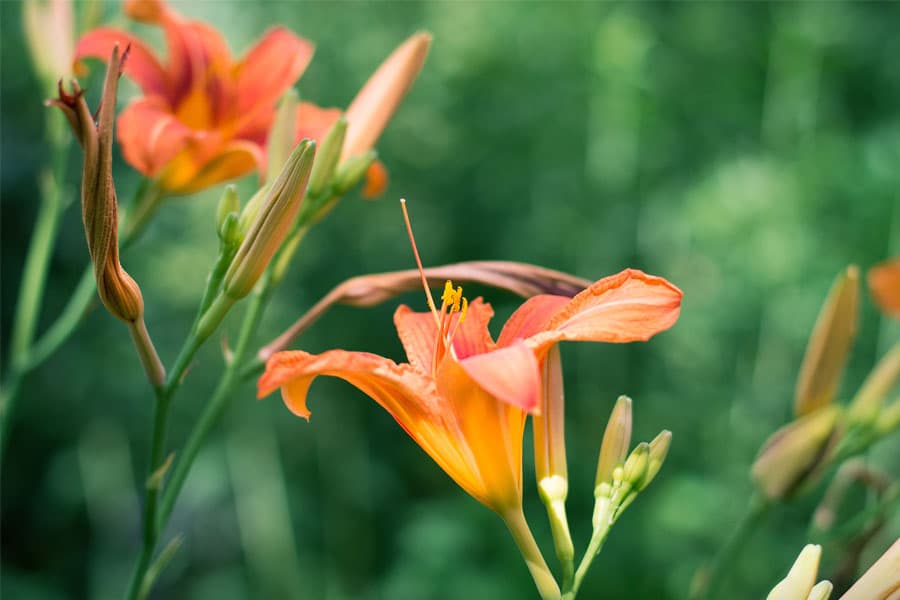
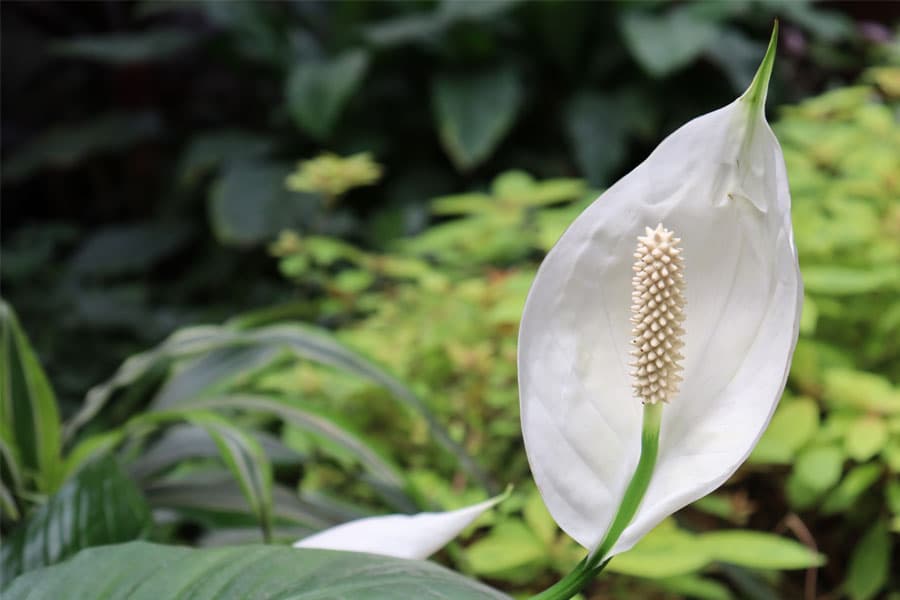

In dogs, true lilies and daylilies cause at most mild GI upset: this kidney emergency is specific to cats.
The home's irritant plants
Aroids (dieffenbachia, philodendron, pothos, monstera, ZZ plant, peace lily, calla) release tiny stinging crystals: intense mouth pain, drooling, vomiting. True difficulty breathing stays rare. Aloe causes mild-to-moderate GI upset. Spring bulbs (tulip, hyacinth, daffodil, amaryllis) are most concentrated in the bulb: watch planting time and the dog that digs.
Holiday plants
- Poinsettia: its reputation is overblown. It is only mildly irritating (drooling, a little gagging).
- Holly: more serious, with spiny leaves that also injure the mouth.
- Mistletoe: the mistletoe sold in North America mostly upsets digestion; European mistletoe is more toxic.
- Christmas tree water: low risk, but stagnant water with preservatives can cause nausea and diarrhea.
Pet-safe plants
To decorate without worry, here are plants recognized as non-toxic to dogs and cats:
Two look-alikes not to confuse. The sago palm is NOT a true palm: it is one of the most dangerous plants. The asparagus fern is NOT a true fern: it is toxic. Always check a plant's exact name.
The ASPCA toxic and non-toxic plant database (opens in a new tab)Household and medication poisons
Medications are the top reason for calls to animal poison centres, ahead of foods. Together with household and garage products, these are the poisonings we see most.
Human medications
Anti-inflammatories (ibuprofen, naproxen) cause ulcers and kidney injury, sometimes from a single dose. Acetaminophen (Tylenol) is FATAL to cats (blood can no longer carry oxygen: brown gums, swelling of the face and paws) and damages a dog's liver. ADHD stimulants and antidepressants cause agitation, racing heart, and tremors. Keep all medication out of reach, and check under furniture.
Vitamin D and flavored tablets
Vitamin D (supplements, licked psoriasis creams, some rodenticides) drives up calcium and can harm the kidneys: an underrated poison. Watch flavored veterinary tablets too (liver, beef): a dog may empty the bottle because they taste good.
Cannabis and THC
Calls have jumped since legalization in 2018. Edibles often stack THC, chocolate, and sometimes xylitol. It is rarely fatal, but very disorienting. Tell us honestly what your pet swallowed, cannabis included: it does not change how you are received, you are not reported, and it lets us treat faster.
Antifreeze
Antifreeze (ethylene glycol) is deadly in tiny amounts, and the antidote only works in the very first hours. Do not rely on the color (green, orange, pink, blue). Wipe up any spill, store the jugs, and be extra careful in the cold season. Our home-safety guide covers more.
Puppy-proofing your homeRat and mouse poison
Three main types act in completely different ways (anticoagulants, bromethalin, cholecalciferol). The message is simple: bring the packaging, because the TYPE changes the whole treatment. Signs sometimes lag several days. Eating a poisoned rodent can poison your pet too.
Household products
Well diluted, bleach and everyday cleaners are mainly irritating. Concentrated products (drain cleaner, oven cleaner) cause real caustic burns of the mouth and esophagus: do not induce vomiting, gently rinse the mouth, and call.
Essential oils and cats
Cats are very sensitive to essential oils (tea tree, liquid potpourri, diffusers): by mouth and through the skin, since they absorb them then lick them off while grooming. A leaking diffuser or a few drops on the coat can be enough.
Permethrin on a cat
NEVER put a dog flea treatment on a cat. Permethrin, harmless to dogs, causes tremors and seizures in cats that can be fatal. A single application can be enough: if it happens by mistake, call right away.
What they look like
Two poisons owners do not always recognize at first glance:
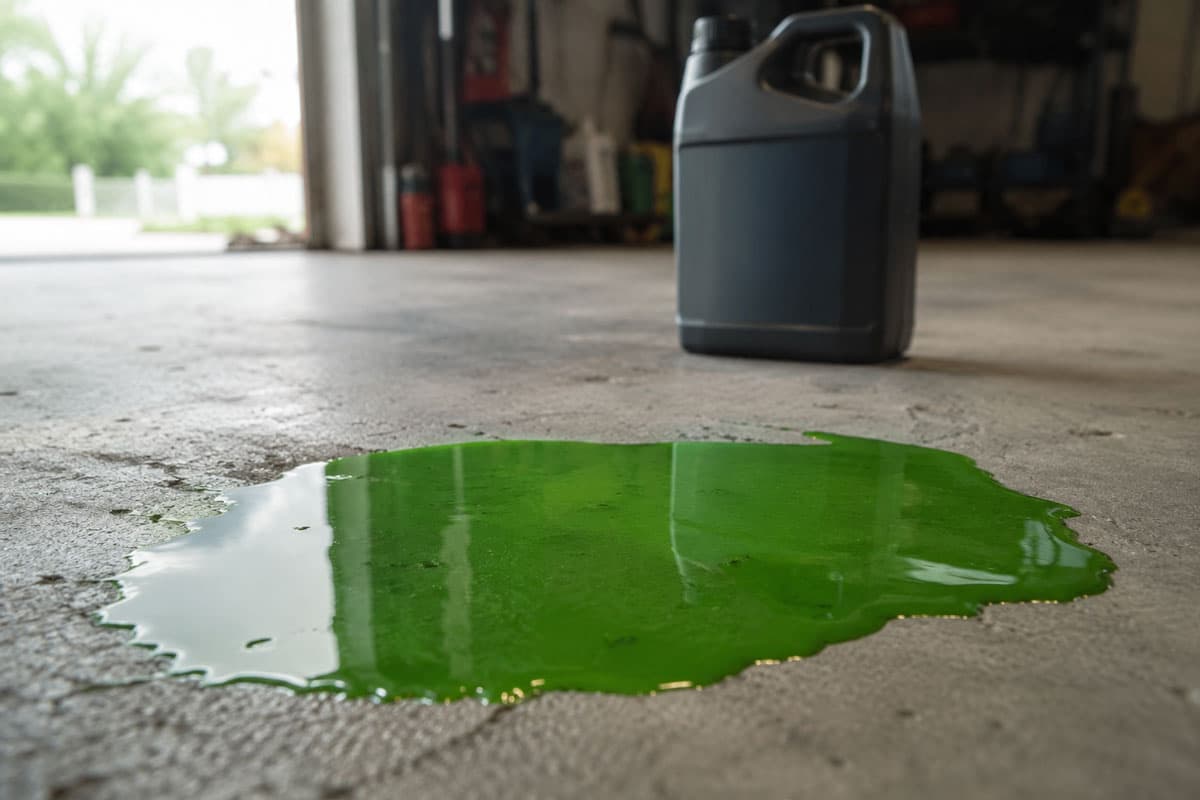
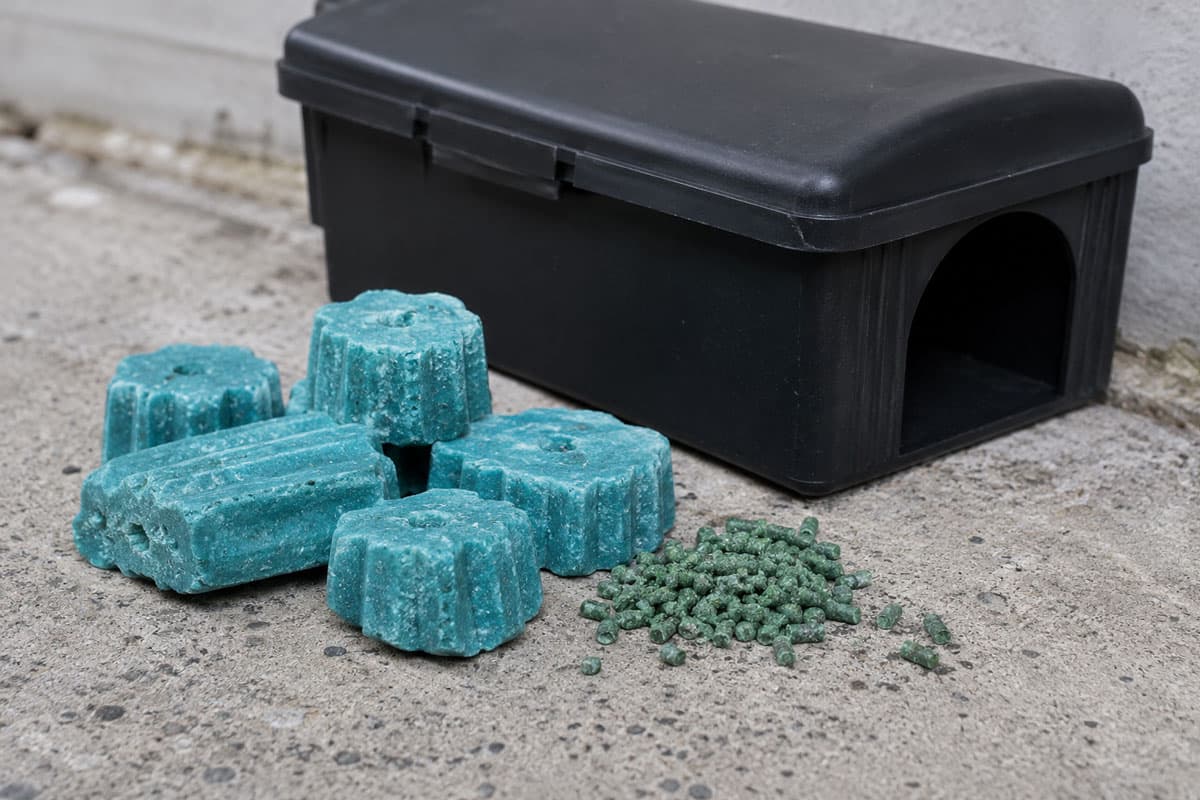
Signs to watch for
No single sign 'proves' a poisoning, and the same symptoms occur in other illnesses. This list is not for diagnosing: it is to help you decide to call.
Digestive
Vomiting, diarrhea, heavy drooling, loss of appetite, belly pain.
Neurological
Tremors, incoordination, seizures, agitation or, conversely, dullness.
Respiratory
Panting, fast or labored breathing.
Heart and gums
Abnormal rhythm, pale, bluish, or brownish gums, marked weakness.
Bleeding
Bruises, red spots on the skin, nosebleed, or blood in the stool.
Urine and jaundice
Dark urine, more or less than usual, or yellowing of the gums and the whites of the eyes.
Red flags: go now
Do not lose time if you see one of these signs, or if you know your pet swallowed a high-risk poison (antifreeze, a lily in a cat, rodenticide, xylitol):
- Seizures or tremors
- Collapse or loss of consciousness
- Difficulty breathing, or blue, grey, or very pale gums
- Bleeding that will not stop
Season-by-season hazards
The Montreal calendar brings its own risks. A season-by-season look helps you anticipate.
The yard, garden, and parks
- Yew and lily of the valley: the two most common deadly plants in our yards (see above).
- Oak acorns: common in Montreal parks; their tannins irritate the stomach.
- Horse chestnut conkers: all over sidewalks in fall; mainly an obstruction risk.
- Wild mushrooms: assume any lawn mushroom is dangerous; the destroying angel grows in Quebec.
- Compost and fertilizer: compost (molds) and bone or blood meal attract dogs.
- Blue-green algae: in several lakes in summer; a dog that swims and drinks can be severely poisoned.
The Montreal winter
De-icing salts burn and dry out the paw pads, and the dog then licks them: rinse the paws when you get home. And it is peak antifreeze season: the smallest sweet puddle is a deadly danger.
The holiday calendar
- Halloween: candy and chocolate send poison-control calls soaring.
- Easter: chocolate, lilies deadly to cats, and the fake grass in baskets (foreign body).
- Christmas: chocolate, tinsel and string (especially dangerous for cats), tree water.
- Summer (Saint-Jean, Canada Day): corn cobs and cooked bones (obstruction), skewers, fatty leftovers, alcohol.
Three fears to keep in perspective
Not everything is as bad as they say. Apple seeds (the cyanide risk is negligible in practice), hostas (mild GI upset), and cocoa mulch (a much-exaggerated danger, barely sold in Canada) often worry people more than they deserve. Stay alert, but do not panic.
Everyday prevention
The best poisoning is the one that never happens. A few simple habits make all the difference.
- Store up high or locked away: dangerous foods, medications, and household products in closed cabinets; trash and compost covered.
- Choose pet-safe plants: keep bouquets (especially lilies) out of reach of cats, and avoid yew and lily of the valley where your pet roams.
- Keep products in their original container: never pour a toxic product into a food container.
- Get the household on board: family, children, and guests give the pet nothing without your say-so.
- Save the numbers ahead of time: ours and a 24/7 emergency centre's, so you are not searching in a panic.
The fridge cheat sheet
One page with the right numbers and the right reflexes, to put on the fridge before you ever need it. It prints in black and white, without the rest of the page.
Call before doing anything, without waiting for symptoms. Never make your pet vomit on your own (never in a cat).
- Move your pet away from the product.
- Note what, how much, when, and its weight.
- Keep the packaging or a photo of the label.
- Seizures or trembling
- Collapse or loss of consciousness
- Trouble breathing, blue or very pale gums
- Bleeding that does not stop
Full guide: montreal.vet, Client guides section.
Your questions, our answers
What comes up most, including what people rarely dare to ask.
My pet seems perfectly fine. Should I still call?
I waited before calling, or I am not sure what it swallowed. Is it too late, and will I be judged?
Can I make it vomit myself to save time?
My cat chewed a 'lily' leaf. Is it serious?
Are there any 100% safe plants with a cat?
How much does a call to a poison centre cost?
Also worth reading
Knowing the poisons is already protecting
Putting the dangerous things away, choosing safe plants, and knowing what to do in the first minutes: that is what saves lives. And remember the golden rule: after an ingestion, call without waiting for symptoms. At the slightest doubt, we are here.
Updated September 6, 2026
Worried about something they swallowed?
Do not sit alone with your worry. Call us: we assess the situation with you and guide you, step by step.